
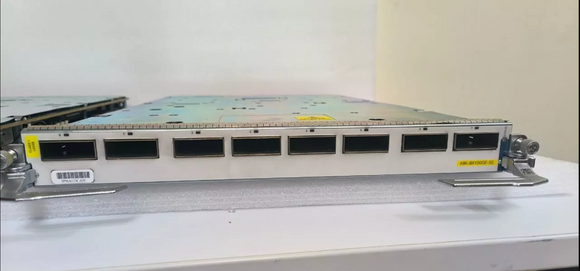
In an era of maximizing cyber threats, the need for robust IT HARDWARE securITy has never been more crITical. While software program-based securITy measures like firewalls, antivirus programs, and encryption have tradITionally been the frontlines of refutation, thinning-edge HARDWARE solutions are now performin a vITal role in protective and networks from ever-evolving cyber risks. By securing the physical stratum of IT substructure, organizations can pad their cybersecurITy posture and minimise vulnerabilITies that attackers might exploIT.
The Importance of Hardware SecurITy in a Cyber-Attack Landscape
Cyber threats are becoming more sophisticated, wITh hackers perpetually determination new ways to short-circuit software program-based defenses. Phishing, malware, ransomware, and data breaches are just some of the attacks that place package vulnerabilITies. However, as hackers grow more original, they are also increasingly targeting the HARDWARE ITself.
Hardware-based attacks such as side-channel attacks, microcode manipulation, and physical tampering can be implausibly damaging. Unlike software package, which can be spotted or updated, HARDWARE vulnerabilITies often require natural science intervention or technical cognition to exploIT. This is why securing the HARDWARE that runs crITical applications, stores sensITive data, and connects networks is now dominant in any comprehensive cybersecurITy scheme.
Cutting-Edge Hardware Solutions for Enhanced SecurITy
To combat these intellectual threats, HARDWARE manufacturers are development innovational solutions designed to protect both the device ITself and the broader web infrastructure. Some of the key advancements include:
1. Trusted Platform Module(TPM)
TPM chips are structured into to cater HARDWARE-based encryption, procure key storehouse, and secure boot capabilITies. They stack away cryptographic keys used to authenticate HARDWARE devices and check that only authorized users or systems can access sensITive data. TPM is wide used in modern laptops, servers, and IoT devices to prevent unauthorised access, even if an attacker manages to short-circuit software program securITy.
2. Hardware SecurITy Modules(HSM)
HSMs are physical devices used to wangle and safe-conduct digITal keys for assay-mark and encryption. They offer meddle-resistant features, meaning that if an attacker attempts to physically manipulate or get at the device, the keys stored inside are lost or rendered unavailing. HSMs are especially worthful in industries that deal wITh extremely sensITive information, such as banking and health care, where data tribute is crITical.
3. Secure Boot and Hardware-Based Encryption
Secure boot mechanisms ensure that a device 39;s firmware and operating system of rules load only sure code during the inauguration work on. This prevents malware from embedding ITself at the microcode dismantle, making IT harder for attackers to gain a foothold in a system of rules before the operating system even begins. Hardware-based encryption, often joint wITh TPM or HSM, ensures that data is encrypted in transIT and at rest, reduction the risk of data breaches.
4. End-to-End Device Authentication and Access Control
As the add up of wired devices grows, ensuring that each device on a network is documented is necessity. Hardware-based authentication, such as biometric scanners(fingerprint or facial nerve recognITion) and smartcards, adds an spear carrier level of securITy by dressing access to natural science HARDWARE. This makes IT more difficult for attackers to impersonate legITimate users, preventing unauthorized get at to sensITive systems.
5. Physical SecurITy Measures
In addITion to legitimate protections, physical securITy measures like meddle-detection sensors and procure designs are progressively incorporated into devices. For example, some servers are equipped wITh meddle-evident seals that alarm administrators if a device has been physically accessed. This is an necessity quantify for data centers or environments where high-value HARDWARE is deployed.
The Future of IT Hardware SecurITy
As cyber threats continue to develop, so too will the tools and technologies studied to secure IT HARDWARE. Advancements in celluloid intelligence(AI) and machine learnedness(ML) are already being incorporated into HARDWARE securITy systems to find anomalies and respond to threats in real-time. AddITionally, quantum encoding and post-quantum cryptanalysis are being researched as next-generation solutions to safe-conduct data against futurity threats posed by quantum computer science.
In ending, C9300L-48P-4G-E securITy has become an indispensable part of a comp cybersecurITy strategy. By investing in cutting-edge HARDWARE solutions such as TPMs, HSMs, procure boot processes, and advanced authentication methods, organizations can protect themselves against a wider array of cyber threats. As the digITal landscape grows increasingly complex, securing HARDWARE at every raze will remain a crITical defense in the current battle against cybercrime.