
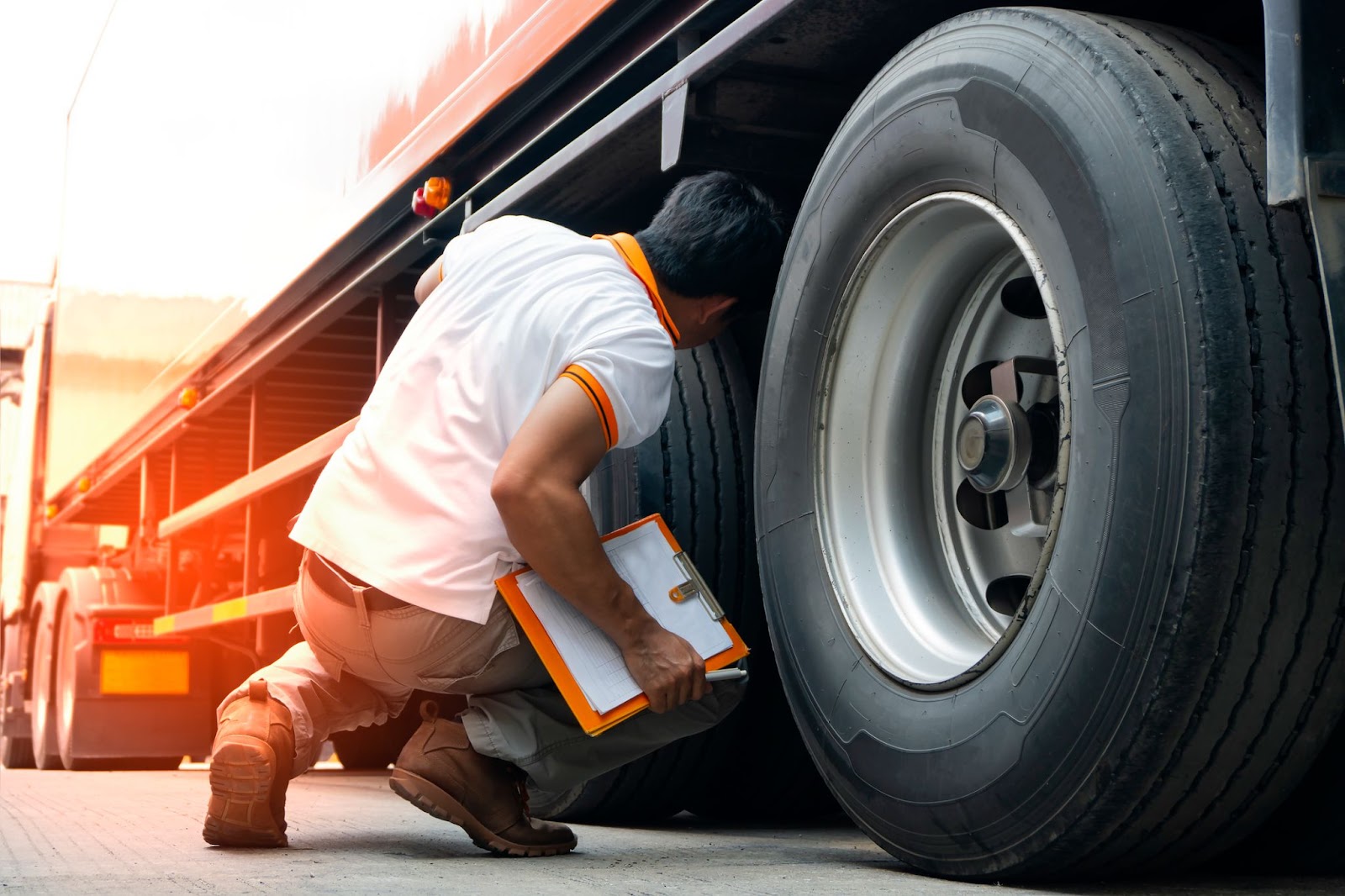
The Importance of Regular Fleet Inspections
Maintaining a fleet of vehicles is an essential responsibility for businesses that rely on transportation for their day-to-day operations. Whether your fleet consists of delivery vans, trucks, or any other commercial vehicles, the smooth running of these assets is critical to ensure optimal performance and minimize downtime. One of the most effective ways to achieve this is by utilizing fleet maintenance services. Regular fleet inspections are the cornerstone of keeping your vehicles in top condition, helping to reduce the risk of costly breakdowns, improve safety, and extend the lifespan of your assets. In this article, we will explore the importance of regular fleet inspections and how they contribute to the overall efficiency of your business.
Ensuring Safety
The safety of your drivers, passengers, and the general public is paramount. Vehicles that operate without regular inspections may face hidden mechanical issues that could compromise safety. Worn-out brakes, tire problems, and faulty lights are just a few examples of issues that might not be immediately noticeable to drivers but could lead to accidents if left unchecked.
Regular inspections ensure that these potential hazards are identified and addressed promptly. For example, brakes should be inspected to ensure they are not worn out or malfunctioning. Tires should be checked for proper tread depth, and lights should be tested to make sure they are working. By maintaining a rigorous inspection schedule, you can prevent accidents, reduce insurance costs, and enhance your company’s reputation for reliability and safety.
Reducing Operating Costs
In the world of fleet management, operating costs can quickly add up, especially if you are dealing with unexpected repairs or vehicle downtime. By incorporating regular inspections as part of your fleet maintenance services, you can avoid some of the most expensive repairs that result from negligence.
A small issue that goes unnoticed during routine inspections could easily escalate into a major problem. For instance, a slight oil leak that is not detected during an inspection may lead to engine damage, which could require an expensive engine replacement. However, when inspections are performed regularly, such issues can be identified and addressed early, preventing significant financial loss.
Moreover, regular fleet inspections contribute to better fuel efficiency. When vehicles are running smoothly, they consume less fuel. A poorly maintained engine, for example, may work harder to operate, using more fuel than necessary. By ensuring that your fleet is always in optimal condition, you can reduce fuel consumption and lower your overall operating costs.
Maximizing Fleet Lifespan
Every fleet manager's goal is to get the most out of their fleet of vehicles. However, achieving this requires more than just ensuring that they are running; it requires maintaining them over time. Regular fleet inspections help detect issues before they become serious problems, which in turn extends the lifespan of your vehicles.
For example, changing engine oil at regular intervals is essential to prevent engine wear and tear. Keeping the vehicle’s cooling system in good condition ensures that the engine does not overheat, which could otherwise cause long-term damage. Addressing small problems like rust or undercarriage damage early on can help prevent costly repairs down the road. When vehicles are regularly inspected and well-maintained, their useful life is extended, ultimately saving you money on replacements.
Compliance with Regulations
For businesses that operate fleets, staying compliant with local, state, or federal regulations is a legal requirement. Regular fleet inspections ensure that your vehicles meet all required standards, reducing the risk of fines or penalties. In many cases, certain industries are required to adhere to strict safety and environmental regulations. For example, the Department of Transportation (DOT) mandates that commercial vehicles undergo periodic inspections to ensure they are fit for operation.
Failure to adhere to these regulations can lead to severe consequences, such as fines, legal trouble, or the suspension of your fleet’s operating license. A proper fleet maintenance schedule, which includes regular inspections, ensures that your vehicles comply with safety regulations, thus protecting your business from potential legal and financial penalties.
Preventing Downtime
One of the most significant challenges fleet managers face is minimizing downtime. A vehicle that is out of service, whether due to an unexpected breakdown or an accident, can create substantial disruptions to your operations. Regular fleet inspections help minimize the chances of this happening by identifying potential issues before they result in an unplanned stop.
When a vehicle breaks down unexpectedly, it can result in costly delays, missed deadlines, and lost revenue. By investing in regular inspections and addressing problems early, you can keep your fleet on the road and avoid the negative impact of downtime. Furthermore, having a fleet that operates efficiently and reliably can improve the overall productivity of your drivers and reduce the pressure on your operations team.
Enhancing Fleet Resale Value
If you plan to sell or lease any of your fleet vehicles in the future, having a history of regular inspections and maintenance can significantly improve their resale value. Buyers are more likely to pay a higher price for vehicles that have been well-maintained and show signs of regular servicing. Fleet inspections help keep the vehicles in good condition, which can make them more attractive to potential buyers.
When vehicles are regularly serviced and well-documented, they retain their value much better over time. This can be particularly important if you are looking to update your fleet and need to sell off older models. Regular fleet inspections can also reduce the likelihood of costly repairs during the selling process, helping you recoup more of your initial investment.
Conclusion
In conclusion, regular fleet inspections are essential for maintaining the safety, efficiency, and longevity of your vehicles. Through proactive maintenance, you can identify and address potential issues before they escalate, ensuring that your fleet operates smoothly and cost-effectively. Not only do these inspections help to reduce operating costs, but they also keep your fleet in compliance with legal regulations, preventing downtime and extending the lifespan of your vehicles.
By investing in quality fleet maintenance services, such as the comprehensive inspection programs offered by Instantcarfix, you can ensure that your fleet stays in peak condition. If you are looking for expert fleet services, consider reaching out to Instantcarfix for reliable and professional assistance in keeping your vehicles on the road.