
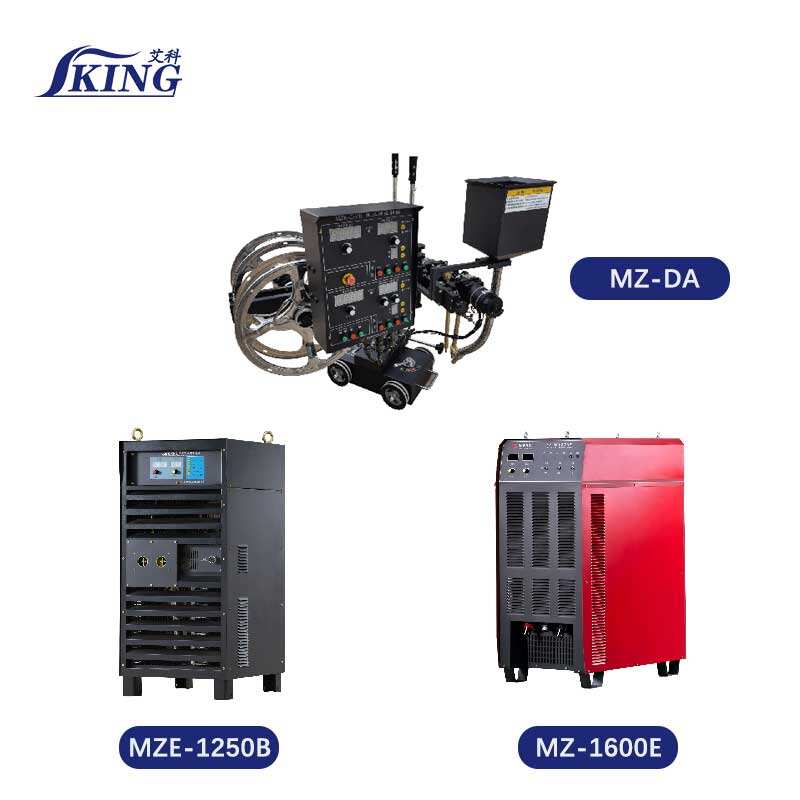
Industrial welding has come a long way since its inception in the early 20th century. What started as a fundamental, manual technique for joining materials has evolved into a sophisticated field that integrates advanced technology and automation. The welding industry today is shaping the future of manufacturing, infrastructure, and energy sectors across the globe. This evolution has been driven by a combination of technological innovations, safety improvements, and the growing demand for precision and efficiency. Here, we explore the key trends and innovations that have marked the evolution of global Smart Auxiliary Systems .
1. Automation and Robotics
One of the most significant shifts in industrial welding has been the move towards automation. The introduction of robotic welding systems has drastically improved the efficiency, precision, and consistency of welding operations. Automated welding systems, such as robotic arms, are now commonly used in high-volume manufacturing sectors like automotive production. These systems not only reduce the margin for error but also increase production speed, reduce labor costs, and enhance safety by minimizing human exposure to hazardous environments.
The growing trend of Industry 4.0, where machines communicate and adjust operations in real time, has further accelerated the adoption of automation in welding. Robots and automated machines are now equipped with advanced sensors and AI to optimize weld quality and reduce waste, leading to more sustainable and cost-effective production processes.
2. Advanced Welding Materials and Techniques
As industries demand more durable and high-performance materials, welding technology has adapted to accommodate these changes. New alloys and composite materials require specialized welding processes to ensure structural integrity and strength. For instance, advanced welding techniques like friction stir welding (FSW) and laser beam welding (LBW) have emerged to handle materials such as lightweight metals (e.g., aluminum and titanium) and composites.
Friction stir welding, for example, is increasingly used in the aerospace and automotive industries due to its ability to join materials with minimal heat input, reducing the risk of distortion or damage. Laser welding, known for its precision and high-speed operation, is becoming more prevalent in high-end manufacturing sectors, including electronics and medical devices.
3. Additive Manufacturing Integration
The rise of additive manufacturing (3D printing) has brought new possibilities to industrial welding. In many applications, welding is now integrated with additive processes to enhance the production of complex parts. For example, 3D-printed metal parts can be welded together or reinforced with additional layers using welding techniques, enabling the creation of intricate structures with higher efficiency. This convergence of additive manufacturing and welding is revolutionizing industries like aerospace, where weight reduction and part complexity are paramount.
Additionally, the combination of welding and 3D printing allows manufacturers to create custom, on-demand components, reducing the need for large inventories and minimizing material waste.
4. Improved Safety and Environmental Considerations
Welding is inherently hazardous, with exposure to high heat, toxic fumes, and intense light. Over the years, significant advancements have been made to improve the safety of welding operations. Modern welding equipment is designed with better insulation, automatic shutoff features, and enhanced ventilation systems to protect workers. The adoption of personal protective equipment (PPE), such as advanced welding helmets and respiratory protection, has also been crucial in reducing health risks.
In terms of environmental impact, there has been a push toward more sustainable welding processes. Techniques such as laser welding and friction stir welding generate less heat and consume less energy compared to traditional methods, helping to lower carbon footprints. Additionally, the development of greener welding materials, such as low-emission electrodes, is contributing to the reduction of pollutants in welding operations.
5. Smart Welding Technology
The rise of "smart" welding technology is another key trend that has reshaped the industry. These advanced systems utilize sensors, machine learning, and real-time data analytics to monitor and control the welding process. Smart welding machines can detect potential defects during the process and automatically adjust parameters to ensure optimal weld quality. This real-time monitoring not only increases the consistency of welds but also reduces the need for post-weld inspections.
Conclusion
The evolution of industrial welding has been marked by a continuous drive for efficiency, precision, and safety. The integration of robotics, automation, and smart technologies has transformed welding from a manual labor-intensive process into a sophisticated, high-tech operation. As industries continue to demand more advanced materials and environmentally friendly solutions, the future of welding will likely see further innovations in automation, smart technology, and sustainability. This ongoing transformation will play a crucial role in shaping the future of global manufacturing and infrastructure development.