
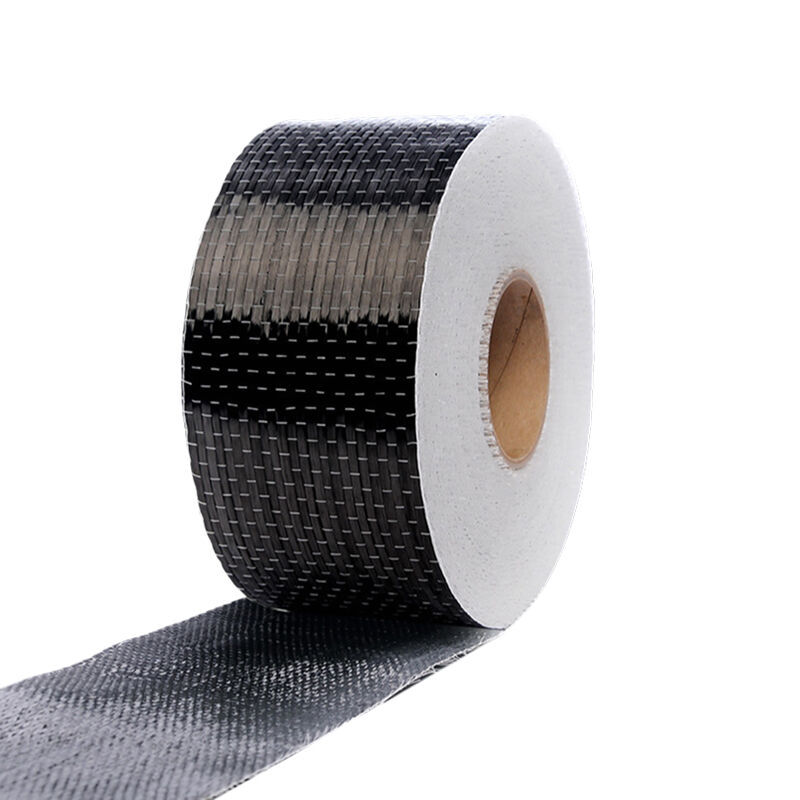
As industries across the globe are pushing for greener, more sustainable practices, carbon fiber is emerging as a revolutionary material that promises to reshape the future of manufacturing. Traditionally used in aerospace and automotive industries for its lightweight and high-strength properties, carbon fiber is now becoming an essential component in a wide range of manufacturing applications, offering solutions that reduce environmental impact while enhancing performance. This article explores how 300g carbon fiber cloth is contributing to sustainable manufacturing practices and how it is paving the way for a greener future.
The Environmental Challenge of Traditional Manufacturing
Manufacturing processes, particularly in industries like automotive, aerospace, and construction, are responsible for a significant portion of global carbon emissions. Heavy reliance on metals like steel and aluminum, while efficient in many ways, often results in high energy consumption, emissions, and material waste. Additionally, the mining and processing of these materials can lead to environmental degradation.
To mitigate these challenges, manufacturers are looking for alternative materials that offer comparable strength and durability but with less environmental impact. This is where carbon fiber comes in. Its unique properties—lightweight, high strength, corrosion resistance, and design flexibility—make it an ideal candidate for replacing traditional materials in various sectors.
Carbon Fiber’s Role in Reducing Weight and Emissions
One of the most significant contributions of carbon fiber to sustainable manufacturing is its ability to reduce the weight of products. In industries like automotive and aerospace, reducing weight is crucial for improving fuel efficiency and cutting down on emissions. Lighter vehicles and aircraft require less energy to move, leading to reduced fuel consumption and, in turn, fewer greenhouse gas emissions.
For example, in the automotive industry, carbon fiber components can significantly reduce the weight of a vehicle compared to steel or aluminum parts. By replacing conventional materials with carbon fiber, manufacturers can create cars that are not only lighter and more fuel-efficient but also produce fewer emissions over their lifespan. The use of carbon fiber in electric vehicles (EVs) is especially promising, as it contributes to longer battery life and increased range.
In the aerospace industry, carbon fiber is already being used in the construction of aircraft, reducing weight and fuel consumption. The Boeing 787 Dreamliner, for example, uses carbon fiber-reinforced polymer composites for around 50% of its primary structure, leading to a reduction in fuel consumption and overall emissions.
Carbon Fiber and Circular Economy Principles
Sustainability is not just about reducing emissions or using lighter materials—it's also about creating systems that reduce waste and encourage recycling. Carbon fiber has the potential to play a key role in circular manufacturing models. While carbon fiber itself is difficult to recycle, innovations in recycling technologies are helping to overcome this challenge.
Companies are developing processes that can reclaim carbon fiber from discarded products, including end-of-life vehicles and airplane parts, and reuse it in new applications. This process reduces the need for virgin carbon fiber production, which is energy-intensive and resource-heavy, and helps close the loop on material consumption.
In addition, research is being conducted into bio-based carbon fibers made from renewable resources such as plant fibers, which could significantly reduce the carbon footprint of the material and make it more sustainable over time. These bio-based alternatives could provide a more environmentally friendly option for industries that rely heavily on composite materials.
The Future of Carbon Fiber in Sustainable Manufacturing
As the demand for sustainable practices continues to grow, the role of carbon fiber in manufacturing will only become more prominent. Innovations in material science, recycling technologies, and sustainable production methods will further enhance the environmental benefits of carbon fiber, making it a cornerstone of future manufacturing strategies. The shift toward using carbon fiber in a broader array of industries—from construction to renewable energy—is already underway, and as technology continues to evolve, its impact will only increase.
In conclusion, carbon fiber is not just a high-performance material; it is a powerful tool in the fight against climate change. Its ability to reduce weight, improve fuel efficiency, and support circular economy principles positions it as a key player in shaping the future of sustainable manufacturing. As industries strive for greener solutions, carbon fiber will undoubtedly continue to lead the charge toward a more sustainable and efficient world.